Clinical Practice Guidelines for Acute raum Injury In ChinaⅣ
Mar 27, 2024
Cov lus nug 6: Yuav soj ntsuam AKI li cas?
1. Kev tshuaj xyuas hemodynamic
【Cov lus pom zoo】
1. Rau AKI thiab cov neeg mob uas muaj kev pheej hmoo siab, nws raug nquahu kom ua tib zoo saib xyuas cov kev hloov pauv hemodynamic thaum lub sij hawm kho cov kua dej kom ntseeg tau tias lub raum perfusion zoo thiab tsis txhob muaj qhov tshwm sim tsis zoo vim qhov ntim ntau dhau (1B).
2. Rau AKI thiab cov neeg mob uas muaj kev pheej hmoo siab, nws raug nquahu kom xa mus rau cov phiaj xwm kev tswj hwm hemodynamic thiab oxygenation parameter thiab siv dynamic es tsis yog cov ntsuas zoo li qub los kwv yees lub ntim teb kom tsis txhob muaj qhov tshwm sim, kev loj hlob, lossis kev loj hlob ntawm AKI (2C) .
3. Lub hom phiaj ntshav siab yuav tsum xav txog cov ntshav siab ua ntej, ntsuas qhov zoo thiab qhov tsis zoo ntawm lub raum perfusion uas tshwm sim los ntawm vasoconstriction thiab hypoperfusion ntawm lwm yam kabmob, thiab xyuam xim rau qhov cuam tshuam ntawm intra-abdominal siab ntawm lub raum perfusion siab (2C. ).
4. Nws raug pom zoo tias AKI thiab cov neeg mob uas muaj kev pheej hmoo siab tuaj yeem siv kev ntsuas cov pa oxygen transcutaneous thiab venous-arterial CO2 ib nrab siab sib txawv (Pv-aCO2) / arterial-venous oxygen cov ntsiab lus sib txawv (Ca-vO2) ratio (Pv-aCO2 / Ca - vO2) kev ntsuas thiab qhov sib piv-hloov ultrasound kom tsim nyog kev ntsuam xyuas ntawm lub raum microcirculation thiab oxygen metabolism (2C).

Nyem rau Cistanche rau mob raum
Kev ua haujlwm tsis txaus yog qhov tseem ceeb ntawm kev pheej hmoo rau AKI. Kev ua kom cov kua dej txaus thiab ua kom zoo tshaj qhov sib npaug yog qhov tseem ceeb rau kev tiv thaiv thiab kho AKI. Nws pab txo qhov kev puas tsuaj rau lub raum, ua kom rov qab los ntawm AKI, thiab txo qhov kev pheej hmoo ntawm lub raum tsis ua haujlwm. kev puas tsuaj. Kev tshawb fawb RCT yav dhau los ntawm 3,000 cov neeg mob uas muaj kev phais mob plab loj tau pom tias kev txwv cov kua dej resuscitation nce qhov tshwm sim ntawm AKI; Ib yam li ntawd, ntim ntau dhau kuj yog qhov ua rau muaj kev pheej hmoo tsis zoo rau cov neeg mob AKI, suav nrog kev nce ntxiv ntawm AKI tshiab thiab Tag Nrho cov neeg tuag. Txoj kev tshawb fawb yav tom ntej hauv 2017 suav nrog cov ntaub ntawv soj ntsuam ntawm 339 tus neeg mob ICU sib law liag tau mus rau hauv tsev kho mob, thiab cov txiaj ntsig tau pom tias qhov ntim ntau dhau yog qhov muaj kev pheej hmoo ywj pheej rau qhov tshwm sim ntawm AKI. Lwm qhov kev tshawb fawb rov qab los ntawm 8 chav saib xyuas mob hnyav hauv Tebchaws Meskas tau tshuaj xyuas cov kua dej thiab cov txiaj ntsig ntawm 18,084 tus neeg mob hnyav. Cov txiaj ntsig tau pom tias piv nrog lub xeev tshuav nyiaj li cas (0 ~ 5% lub cev qhov hnyav) lossis qhov tsis zoo ntawm lub xeev pawg (<5% Compared with body weight), the 1-year mortality rate in the positive fluid balance group (≥5% body weight) was significantly increased. Therefore, it is recommended that patients with AKI should avoid volume overload and avoid adverse consequences.

Nws yog tam sim no ntseeg tias perioperative lub hom phiaj-directed therapy (GDT), uas yog, tsim cov kev npaj raws li tsim los ntawm hemodynamic thiab oxygenation parameter tswj lub hom phiaj, yuav txo tau kev tuag thiab kev pheej hmoo ntawm AKI. Ib txoj kev tshawb nrhiav RCT yav tom ntej tau nrhiav 263 tus neeg mob uas muaj tus kab mob sepsis loj lossis septic shock, thiab cov txiaj ntsig tau pom tias kev siv GDT ntxov tuaj yeem txhim kho tus neeg mob tau zoo. Lwm qhov kev ntsuam xyuas ntawm 95 RCT cov kev tshawb fawb (11,659 tus neeg mob) tau pom tias perioperative GDT tuaj yeem txo qhov tshwm sim ntawm cov teeb meem thiab kev tuag. Ib qho kev soj ntsuam meta suav nrog 65 cov kev tshawb fawb (9,308 tus neeg mob) thiab pom tias perioperative fluid therapy thiab siv cov tshuaj vasoactive los txhim kho hemodynamics thiab txhim kho cov ntaub so ntswg oxygenation tuaj yeem txhim kho lub raum perfusion thiab oxygenation hauv cov neeg mob uas muaj kev pheej hmoo siab rau AKI. Thiab txo qhov tshwm sim ntawm postoperative AKI. Yog li ntawd, perioperative GDT tuaj yeem txhim kho cov txiaj ntsig ntawm kev tiv thaiv thiab kho cov xwm txheej AKI, tab sis seb nws puas muaj feem xyuam rau lwm pawg hom phiaj tseem tsis tau txiav txim siab.
Central venous siab (CVP) muaj peev xwm txwv cov lus teb nyob rau hauv ib txwm muaj (8 ~ 12 mmHg, 1 mmHg=0.133 kPa). Nws tsis pom zoo kom siv CVP ib leeg los coj cov dej resuscitation. Lwm yam kev ntsuas zoo li qub ntawm sab laug lossis sab xis lub plawv siab lossis ntim tsis pom zoo. Qhov taw qhia raug kev txom nyem los ntawm qhov tsis zoo sib xws. Lub 2016 Sepsis Cov Lus Qhia pom zoo kom siv cov ntsuas qhov ntsuas qhov ntim ntawm qhov ua haujlwm yuav tsum tau siv los coj cov kua dej resuscitation hauv septic shock, xws li passive leg raising test (PLR), pulse pressure variability (PVV) lossis stroke volume variability (SVV), Inferior vena cava variability , lwm.
The 2016 sepsis guidelines recommend fluid resuscitation and the use of norepinephrine to maintain mean arterial pressure (MAP) ≥65 mmHg to ensure renal perfusion and prevent the occurrence of AKI. Numerous studies have shown that using norepinephrine to increase the blood pressure target in septic shock patients to 75~85 mmHg can increase the cardiac output index, but it cannot improve renal function, reduce lactate levels, increase oxygen supply, and reduce mortality. On the contrary, it increases Occurrence of cardiac arrhythmias. Intra-abdominal hypertension (IAH) refers to persistent intra-abdominal pressure >12 mmHg, and abdominal compartment syndrome (ACS) refers to persistent intra-abdominal pressure >20 mmHg, nrog los yog tsis muaj intraperitoneal perfusion siab<60 mmHg, and with new Organ dysfunction or failure, if not recognized and adequately treated, can lead to reduced organ perfusion, tissue ischemia, organ failure, and death. Elevated CVP, mechanical ventilation, trauma, volume overload, abdominal infection, and surgery in severe patients are all high-risk factors for ACS. Intra-abdominal pressure is an important factor affecting renal perfusion pressure. IAH first reduces renal perfusion by increasing renal vein and renal parenchyma pressure. The continued increase will reduce cardiac output and compress ureters, eventually leading to AKI. Patients at high risk of ACS should undergo routine intra-abdominal pressure monitoring to avoid the occurrence of AKI caused by IAH.

Microcirculation tsis meej nyob rau hauv lub raum cov ntaub so ntswg yog suav hais tias yog ib qho tseem ceeb mechanism ntawm qhov tshwm sim thiab kev loj hlob ntawm AKI. Kev ntsuam xyuas microcirculation thiab oxygen metabolism thiab kev cuam tshuam zoo yuav yog tus yuam sij rau kev tiv thaiv thiab kho AKI. Cov kev tshawb fawb pom tau hais tias ua kom tiav cov hom phiaj qhia ntxov ntxov (EGDT) hauv cov neeg mob uas muaj mob septic shock tsis txo qhov tshwm sim ntawm AKI. 46% ntawm cov neeg mob uas tswj lub hauv paus venous oxygen saturation (ScvO2) Ntau dua lossis sib npaug li 70% thiab MAP Ntau dua lossis sib npaug li 65 mmHg tseem tsim AKI. Transcutaneous oxygen ib nrab siab (PtcO2) kev saib xyuas tuaj yeem cuam tshuam cov ntaub so ntswg peripheral thiab microvascular perfusion. Ntau qhov kev tshawb fawb tau pom tias daim tawv nqaij thiab lub raum microcirculation muaj feem cuam tshuam, thiab cov ntaub so ntswg ntawm cov ntshav tuaj yeem ua rau muaj kev cuam tshuam rau lub raum cov ntshav. Cov kws tshawb fawb hauv tsev siv 10 feeb ΔPtcO2 [ΔPtcO2=PtcO2 (10 min)-PtcO2 (tus nqi hauv paus)] ntsuas los ntawm transcutaneous oxygen load test yog siv los ntsuas qhov ntsuas hemodynamic los ntsuas seb microcirculatory perfusion ntawm lub raum cov ntaub so ntswg puas zoo. Pv-aCO2 / Ca-vO2 yog qhov taw qhia rhiab heev uas qhia txog cov ntaub so ntswg anaerobic metabolism. Kev nce hauv qhov piv tau zoo rhiab heev thiab tshwj xeeb hauv kev kwv yees qhov exacerbation ntawm AKI. Qee cov kev tshawb fawb ntseeg hais tias kev siv cov hlab ntsha ntawm cov ntshav lactate clearance thiab Pv-aCO2 / Ca-vO2 coj cov kua dej resuscitation hauv septic shock zoo dua li ib qho qhia. Tsoos lub raum ultrasound tsuas tuaj yeem ntsuas cov ntshav tsis txaus ntawm cov ceg saum lub raum interlobar cov hlab ntsha, thiab nws nyuaj heev los ntsuas lub raum cortical ntshav txaus. Lub tshuab hluav taws xob sib txawv-txhim kho ultrasound tuaj yeem ua qhov kev ntsuas ib nrab ntawm lub raum microcirculation, siv cov tshuaj sib txawv kom nce hauv lub raum cortex. Lub Sijhawm (RT) thiab lub sijhawm hloov pauv (MTT) tuaj yeem kwv yees qhov hnyav ntawm AKI, thiab cortical ascending slope (WIS) thiab medullary peak siv (PI) pom tias muaj feem xyuam rau AKI rov qab.
Cistanche kho mob raum li cas?
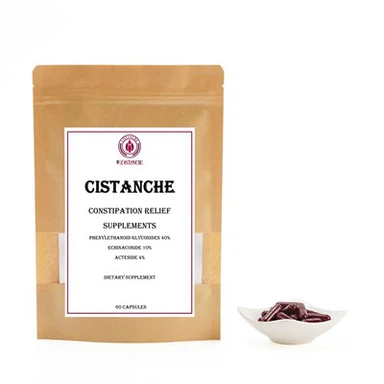
Cistancheyog ib hom tshuaj suav tshuaj ntsuab siv rau ntau pua xyoo los kho ntau yam mob, suav nrog kab mob raum. Nws yog muab los ntawm qhuav stems ntawmCistanchedeserticola, ib tsob nroj nyob rau hauv cov suab puam ntawm Tuam Tshoj thiab Mongolia. Lub ntsiab active Cheebtsam ntawm cistanche yogphenylethanoidglycosides, echinacoside cov tshuaj, thiabacteoside, uas tau pom tias muaj txiaj ntsig zoo rau lub raum kev noj qab haus huv.
Kab mob raum, tseem hu ua kab mob raum, hais txog ib yam mob uas lub raum ua haujlwm tsis zoo. Qhov no tuaj yeem ua rau muaj cov khoom pov tseg thiab cov co toxins hauv lub cev, ua rau muaj ntau yam tsos mob thiab teeb meem. Cistanche tuaj yeem pab kho mob raum ase los ntawm ntau lub tswv yim.
Ua ntej, cistanche tau pom tias muaj cov nyhuv diuretic, txhais tau tias nws tuaj yeem ua rau cov zis ntau ntxiv thiab pab tshem tawm cov khoom pov tseg ntawm lub cev. Qhov no tuaj yeem pab txo lub nra ntawm lub raum thiab tiv thaiv kev tsim cov co toxins. Los ntawm kev txhawb nqa diuresis, cistanche kuj tseem tuaj yeem pab txo qis ntshav siab, ib qho teeb meem ntawm cov kab mob raum.
Ntxiv mus, cistanche tau pom tias muaj cov teebmeem antioxidant. Kev ntxhov siab oxidative, tshwm sim los ntawm qhov tsis sib xws ntawm kev tsim cov dawb radicals thiab lub cev tiv thaiv antioxidant, ua lub luag haujlwm tseem ceeb hauv kev mob raum. ies pab neutralize dawb radicals thiab txo Oxidative kev nyuaj siab, yog li tiv thaiv lub raum los ntawm kev puas tsuaj. Cov phenylethanoid glycosides pom hauv cistanche tau tshwj xeeb hauv kev tshem tawm cov dawb radicals thiab inhibiting lipid peroxidation.
Tsis tas li ntawd, cistanche tau pom tias muaj cov nyhuv anti-inflammatory. Kev mob yog lwm yam tseem ceeb hauv kev loj hlob thiab kev loj hlob ntawm cov kab mob raum. Cistanche's anti-inflammatory zog pab txo cov zus tau tej cov pro-inflammatory cytokines thiab inhibit qhov ua kom o yuav tsum tau txoj kev, yog li alleviating o nyob rau hauv lub raum.
Tsis tas li ntawd, cistanche tau pom tias muaj cov teebmeem immunomodulatory. Hauv cov kab mob hauv lub raum, lub cev tiv thaiv kab mob tuaj yeem ua rau tsis zoo, ua rau muaj kev mob ntau dhau thiab cov ntaub so ntswg puas. Cistanche pab tswj lub cev tiv thaiv kab mob los ntawm kev hloov kho thiab kev ua haujlwm ntawm lub cev tiv thaiv kab mob, xws li T hlwb thiab macrophages. Txoj cai tiv thaiv kab mob no pab txo qhov mob thiab tiv thaiv kev puas tsuaj ntxiv rau lub raum.

Ntxiv mus, cistanche tau pom los txhim kho lub raum kev ua haujlwm los ntawm kev txhawb nqa kev tsim kho ntawm lub raum hlab nrog cov hlwb. Lub raum tubular epithelial hlwb ua lub luag haujlwm tseem ceeb hauv kev pom thiab rov nqus cov khoom pov tseg thiab electrolytes. Hauv kab mob raum, cov hlwb no tuaj yeem raug puas tsuaj, ua rau lub raum ua haujlwm puas. Cistanche lub peev xwm los txhawb kev tsim kho ntawm cov hlwb no pab kho lub raum kom zoo thiab txhim kho lub raum tag nrho.
Ntxiv nrog rau cov kev cuam tshuam ncaj qha rau lub raum, cistanche tau pom tias muaj txiaj ntsig zoo rau lwm yam kabmob thiab lub cev hauv lub cev. Txoj hauv kev zoo rau kev noj qab haus huv no tseem ceeb tshwj xeeb hauv cov kab mob raum, vim tias tus mob feem ntau cuam tshuam rau ntau lub cev thiab lub cev. che tau pom tias muaj kev tiv thaiv rau lub siab, lub plawv, thiab cov hlab ntsha, uas feem ntau cuam tshuam los ntawm kab mob raum. Los ntawm kev txhawb nqa kev noj qab haus huv ntawm cov kabmob no, cistanche pab txhim kho lub raum tag nrho thiab tiv thaiv kev mob ntxiv.
Hauv kev xaus, cistanche yog cov tshuaj suav tshuaj ntsuab siv rau ntau pua xyoo los kho mob raum. Nws cov active Cheebtsam muaj diuretic, antioxidant, anti-inflammatory, immunomodulatory, thiab regenerative teebmeem, uas pab txhim kho lub raum ua haujlwm thiab tiv thaiv ob lub raum los ntawm kev puas tsuaj ntxiv. , cistanche muaj txiaj ntsig zoo rau lwm yam kabmob thiab lub cev, ua rau nws txoj hauv kev zoo rau kev kho mob raum.